Beyond the Ribbon: The Evolving Impact of Breast Cancer Awareness Month and Modern Artwork Design
Every October, the global landscape shifts visually. From corporate logos to social media avatars, the color pink becomes ubiquitous. This annual observance, known as Breast Cancer Awareness Month, serves as a critical reminder of the ongoing fight against one of the most prevalent diseases affecting women worldwide. However, for professionals, creators, and business owners, this period represents more than just a charitable obligation; it is a complex intersection of public health advocacy, brand responsibility, and creative expression. The way we communicate support has evolved significantly, moving from simple ribbon placement to sophisticated Breast Cancer artwork design that seeks to educate, empower, and connect on a deeper human level.
The relevance of this month extends far beyond fundraising. It is a catalyst for conversation about early detection, survivorship, and the diverse experiences of those affected by the disease. In an era where consumers are increasingly savvy about "cause marketing," the authenticity of your message matters more than ever. Audiences can easily distinguish between genuine solidarity and performative gestures. Therefore, understanding how to approach this topic with sensitivity and creativity is essential for anyone looking to make a meaningful impact during this time.
The Shift from Symbolism to Storytelling in Visual Communication
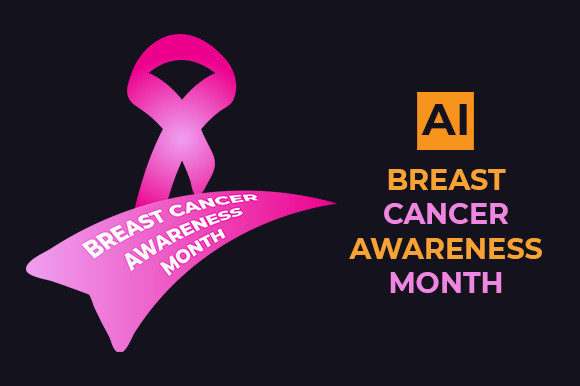
Historically, the visual language of breast cancer awareness was dominated by the pink ribbon. While this symbol remains powerful and universally recognized, modern audiences crave nuance. The trend in Breast Cancer artwork design has shifted toward storytelling. People want to see the faces behind the statistics—the survivors, the fighters, the families, and even those who have been lost. This evolution reflects a broader change in user expectations across digital platforms; users engage more deeply with content that feels personal and authentic rather than generic.
For graphic designers, marketers, and content creators, this means moving away from stock imagery of smiling women holding ribbons. Instead, there is a growing demand for illustrations and designs that capture the emotional reality of the journey. This might include artwork depicting the strength found in vulnerability, the solidarity of support groups, or the scientific advancements driving treatment forward. By focusing on narrative-driven design, brands and individuals can foster a stronger emotional connection with their audience.
Consider the rise of digital campaigns that utilize user-generated content. Many organizations now encourage survivors to share their own art or photos, which are then curated into larger digital mosaics or interactive experiences. This approach not only diversifies the visual representation of the disease but also empowers individuals to take ownership of their narratives. It aligns perfectly with current workflows in social media management, where community engagement is prioritized over one-way broadcasting.
Adapting Creative Practices for Modern Audiences
The modern workflow for creating awareness content requires a blend of empathy and strategic planning. Creators must navigate the fine line between raising awareness and avoiding "awareness fatigue." To do this effectively, consider the following practical approaches when developing your Breast Cancer Awareness Month campaigns:
- Prioritize Inclusivity: Breast cancer does not discriminate, yet traditional imagery often lacks diversity. Ensure your artwork design represents women of all ages, races, body types, and backgrounds. Including men, who can also develop breast cancer, further broadens the scope and educational value of your message.
- Focus on Actionable Information: Beautiful design should serve a purpose. Integrate clear calls to action within your visuals, such as reminders for self-exams, links to screening resources, or information on how to support local charities. Art becomes a tool for change when it guides the viewer toward next steps.
- Leverage Digital Formats: Static images are no longer enough. Explore motion graphics, short-form video content, and interactive web elements. Animation can effectively explain complex medical concepts or illustrate the journey of treatment in a way that is accessible and engaging for younger demographics.
- Collaborate with Survivors: Nothing replaces lived experience. Partnering with survivors or advocacy groups during the design process ensures that your messaging resonates truthfully and avoids unintended insensitivity.
These strategies reflect a maturing market preference for transparency and utility. Business owners and freelancers who adopt these practices demonstrate a commitment to E-E-A-T principles (Experience, Expertise, Authoritativeness, and Trustworthiness), which are crucial for building long-term credibility with their audiences.
Navigating the Business and Ethical Landscape
For entrepreneurs and business owners, participating in Breast Cancer Awareness Month often involves financial contributions or cause-related marketing. However, the ethical landscape here is scrutinized more closely than in the past. Consumers are quick to identify "pinkwashing," where companies profit from the cause without making a substantial difference. To avoid this pitfall, transparency is key.
If your business is launching a special product line or donating a portion of proceeds, be explicit about the details. Clearly state how much is being donated, to which organization, and what the funds will achieve. Your artwork design should complement this transparency, perhaps by incorporating infographics that visualize the impact of contributions. This level of honesty builds trust and encourages customer loyalty beyond the month of October.
Furthermore, the integration of technology has opened new avenues for engagement. Augmented reality (AR) filters, virtual reality (VR) experiences simulating the patient journey, and AI-driven personalized health reminders are becoming part of the toolkit for forward-thinking organizations. These technologies allow for immersive experiences that can educate users in ways traditional media cannot. For instance, an AR filter could overlay information about breast density onto a user's screen while they take a selfie, prompting them to learn more about their specific risk factors.
The Role of Education in Visual Design
One of the most significant trends in recent years is the use of art as an educational medium. Misconceptions about breast cancer persist, and creative professionals have a unique opportunity to dispel myths through visual storytelling. Infographics that break down risk factors, timelines for screening recommendations, or explanations of different treatment options can be designed to be both aesthetically pleasing and highly informative.
Educators and bloggers can leverage these assets to create shareable content that spreads accurate information rapidly. When designing such materials, clarity should never be sacrificed for style. Use legible typography, high-contrast colors (while maintaining the thematic palette), and logical flow to ensure the message is understood by people with varying levels of health literacy. This practical application of design directly supports public health goals and enhances the societal value of creative work.
Moreover, the conversation is expanding to include life after diagnosis. Artwork that highlights survivorship, mental health support, and the challenges of reintegration into daily life addresses a gap often left by acute care-focused campaigns. This holistic view resonates with the modern lifestyle shift towards whole-person wellness, acknowledging that health is not just the absence of disease but the presence of overall well-being.
Looking Ahead: Sustainable Advocacy
As we look to the future, the goal for Breast Cancer Awareness Month and its associated creative outputs should be sustainability. Awareness should not be confined to thirty days; the momentum generated in October should fuel year-round engagement. For creators, this means developing evergreen content that remains relevant and useful throughout the year. For businesses, it implies establishing long-term partnerships with non-profits rather than one-off donations.
The evolution of Breast Cancer artwork design mirrors the broader cultural shift towards authenticity and depth. Gone are the days when a pink logo was sufficient. Today, successful advocacy requires thoughtful strategy, inclusive representation, and a genuine desire to effect change. Whether you are a freelance designer crafting a poster, a marketer planning a campaign, or a business owner deciding how to contribute, your approach defines the impact you make.
By grounding your efforts in real needs and leveraging modern tools and trends, you can create work that honors the gravity of the cause while inspiring hope and action. The power of art lies in its ability to transcend barriers and touch hearts; when applied to breast cancer awareness, it becomes a vital force in the global effort to eradicate the disease. Let us move forward with creativity that cares, designs that inform, and messages that endure well beyond the changing of the calendar.