Railway Track Vector Illustration: A Design Template for Modern Creativity
In today’s digital age, visual design plays a crucial role in communication, branding, and storytelling. One of the most versatile and widely used design elements is the railway track vector illustration. Whether you're a graphic designer, a business owner, or an educator, understanding the significance of railway track vector illustrations can enhance your creative projects and improve your ability to convey complex ideas visually.
This article explores the concept of railway track vector illustrations, their design templates, and how they can be applied across various industries. From their historical roots to modern-day applications, we'll uncover why these illustrations remain relevant and valuable in both traditional and digital contexts.
What Is a Railway Track Vector Illustration?
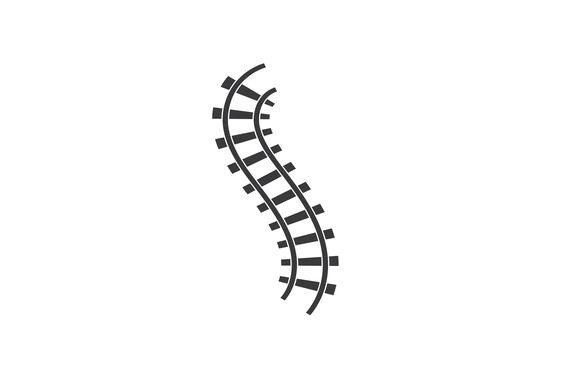
A railway track vector illustration is a digital representation of railway tracks created using vector graphics software. Unlike raster images, which are made up of pixels, vector illustrations use mathematical equations to define shapes, lines, and curves. This makes them scalable without losing quality, ideal for use in print, web, and mobile applications.
These illustrations typically feature straight and curved lines that mimic the layout of real railway tracks. They may also include additional elements such as train cars, signals, switches, or stations, depending on the intended use. The simplicity and clarity of railway track vector illustrations make them popular in infographics, maps, educational materials, and branding.
The Purpose and Significance of Railway Track Vector Illustrations
Railway track vector illustrations serve multiple purposes, from practical to artistic. Their primary function is to represent the structure and flow of railway systems. However, they have evolved beyond just depicting physical infrastructure. Today, they are used in:
- Infographics: To visually explain transportation networks, logistics, or urban planning concepts.
- Branding: As part of logos or marketing materials for companies in the transportation, travel, or technology sectors.
- Educational Content: To teach students about geography, history, or engineering principles related to railways.
- Game Design: As background elements or interactive components in simulation games or puzzles.
The versatility of these illustrations allows them to adapt to different contexts, making them a valuable asset for designers and content creators.
Understanding Railway Track Vector Illustration Design Templates
Design templates for railway track vector illustrations provide a structured starting point for creating consistent and professional-looking graphics. These templates often include pre-drawn elements such as track segments, turnouts, and signaling systems, allowing users to customize them according to their needs.
Some common features of railway track vector illustration design templates include:
- Scalable Elements: All components are designed to maintain quality at any size, ensuring flexibility for different projects.
- Customizable Layers: Users can edit individual parts of the illustration, such as changing colors or adding labels.
- Compatibility: Templates are usually available in popular formats like SVG, AI, or EPS, making them easy to integrate into various design workflows.
By using these templates, designers can save time while maintaining a high level of detail and accuracy in their work.
How Railway Track Vector Illustrations Fit Into Modern Life
Railway track vector illustrations are not just static images—they are tools that help us understand and interact with the world around us. In modern life, they play a role in several areas:
Transportation and Logistics
In the transportation industry, railway track vector illustrations are used to map out routes, plan schedules, and visualize network connections. For example, logistics companies might use these illustrations to show how goods move through different rail systems, helping stakeholders make informed decisions.
Education and Research
Teachers and researchers often use railway track vector illustrations to explain historical events, such as the expansion of rail networks during the Industrial Revolution. These visuals make complex topics more accessible, especially for students who benefit from visual learning.
Technology and Innovation
With the rise of smart cities and autonomous systems, railway track vector illustrations are also used in the development of technologies like self-driving trains or automated signaling systems. They help engineers and developers visualize how these systems will function in real-world environments.
Practical Applications of Railway Track Vector Illustrations
There are countless ways to apply railway track vector illustrations in everyday scenarios. Here are a few examples:
- Maps and Navigation: Digital maps often include railway track illustrations to show train routes and station locations.
- Advertising: Companies may use these illustrations in advertisements to evoke a sense of movement, efficiency, or reliability.
- Art and Design: Artists and illustrators incorporate railway track elements into their work to symbolize journey, progress, or connection.
Whether for functional or aesthetic purposes, railway track vector illustrations add value by making information more engaging and easier to understand.
Common Misconceptions About Railway Track Vector Illustrations
Despite their usefulness, there are some misconceptions about railway track vector illustrations. One common misunderstanding is that they are only for technical or industrial use. In reality, they are highly adaptable and can be used in creative, educational, and even personal projects.
Another misconception is that creating these illustrations requires advanced design skills. While professional-level work may involve complex tools, many design templates simplify the process, allowing even beginners to create high-quality visuals with minimal effort.
Conclusion: Embracing the Power of Railway Track Vector Illustrations
Railway track vector illustrations are more than just a visual representation of tracks—they are a powerful tool for communication, education, and creativity. By understanding their purpose, design principles, and practical applications, individuals and businesses can leverage these illustrations to enhance their work and connect with their audiences more effectively.
Whether you're looking to create a detailed map, develop a brand identity, or simply explore the world of design, railway track vector illustrations offer a flexible and impactful solution. With the right tools and knowledge, anyone can harness the potential of these illustrations to bring their ideas to life.