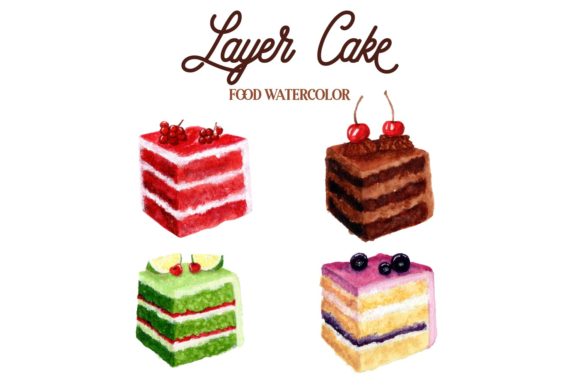
Layer Cake: Creative Possibilities
Layer Cake is more than a dessert—it's a concept that inspires creativity across many fields. Whether you're a designer, marketer, or content creator, the idea of layers can be applied in powerful ways. Each layer adds depth, complexity, and structure, making it a valuable framework for problem-solving and innovation.
The beauty of Layer Cake lies in its adaptability. It can represent a physical cake, a digital design, a marketing strategy, or even a creative process. Understanding how to build and manage these layers helps you create more engaging and effective work.
Understanding the Concept of Layer Cake
At its core, Layer Cake refers to a structure composed of multiple distinct elements that work together to create a unified whole. In design, this could mean different visual elements stacked to form a cohesive layout. In content creation, it might involve building a narrative through sequential ideas or themes.
What makes Layer Cake interesting is its ability to balance simplicity with complexity. A single layer may seem basic, but when combined with others, it becomes rich and dynamic. This principle applies to everything from website layouts to storytelling techniques.
For example, a website might use Layer Cake principles by organizing content into sections that each serve a specific purpose. One layer could focus on navigation, another on visuals, and a third on interactive elements. This approach ensures clarity while maintaining engagement.
Applications in Design and Creativity
Designers often use Layer Cake concepts to create visually appealing compositions. By stacking elements like text, images, and colors, they can guide the viewer’s attention and enhance the overall aesthetic. This method is especially useful in branding, where consistency and hierarchy are key.
Consider a logo that uses multiple layers to convey meaning. A simple icon might be paired with a bold font and a subtle background. Each layer contributes to the brand’s identity without overwhelming the viewer. This approach keeps the design clean and professional.
Similarly, in web design, Layer Cake can help organize information. A homepage might have a top layer for headlines, a middle layer for featured content, and a bottom layer for additional links. This structure improves usability and makes the site easier to navigate.
Creative Uses Beyond Visuals
The Layer Cake concept isn't limited to design. It can also be applied to content strategies, marketing campaigns, and even personal development. For instance, a blog post might be structured as a series of layers—introduction, main points, supporting details, and a conclusion.
This layered approach helps readers absorb information more effectively. Each section builds on the previous one, creating a logical flow that keeps the audience engaged. It also allows for flexibility, as different layers can be adjusted based on the target audience or platform.
Marketers can use Layer Cake to plan campaigns. The first layer might focus on awareness, the second on engagement, and the third on conversion. By addressing each stage separately, they can create a more targeted and effective strategy.
Adapting Layer Cake for Different Goals
One of the strengths of Layer Cake is its versatility. It can be tailored to suit various goals, audiences, and formats. For example, a small business owner might use it to develop a social media strategy, while a teacher could apply it to lesson planning.
When adapting Layer Cake for a specific purpose, it's important to identify the key elements that need to be included. What are the main messages? What visuals or content will support them? Answering these questions helps ensure that each layer serves a clear function.
For instance, a nonprofit organization might use Layer Cake to build a fundraising campaign. The first layer could focus on storytelling, the second on donor benefits, and the third on call-to-action steps. This structure makes the campaign more compelling and easier to follow.
Practical Tips for Using Layer Cake
To get the most out of Layer Cake, start by defining your objective. Are you trying to communicate a message, solve a problem, or engage an audience? Once you have a clear goal, you can determine which layers are needed and how they should interact.
Keep your layers focused and organized. Avoid overcomplicating things—each layer should have a distinct purpose. This helps maintain clarity and prevents confusion, especially when working with complex projects.
Testing and refining your layers is also essential. Gather feedback from your audience and make adjustments as needed. This iterative process ensures that your final result is both effective and user-friendly.
Conclusion: Embrace the Power of Layers
Layer Cake offers a powerful framework for creativity and problem-solving. By understanding how to build and manage layers, you can create more engaging and effective work across different fields. Whether you're designing a website, planning a campaign, or developing a new idea, the Layer Cake concept can help you achieve better results.
Experiment with different approaches, stay focused on your goals, and keep your audience in mind. With practice, you'll find that Layer Cake can become a valuable tool in your creative arsenal.