Healthcare and Medical Web Banner Design: A Strategic Tool for Modern Digital Communication
In today’s fast-paced digital landscape, the healthcare industry is increasingly relying on visual communication to connect with patients, professionals, and stakeholders. One of the most effective tools in this regard is the Healthcare and Medical Web Banner Design. These banners are not just decorative elements; they serve as powerful marketing instruments that convey essential information, reinforce brand identity, and drive engagement across various platforms.
What Is Healthcare and Medical Web Banner Design?
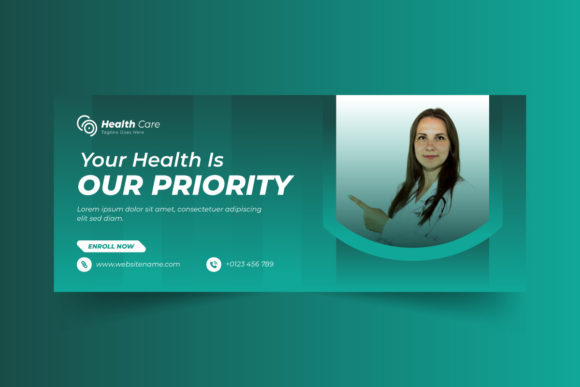
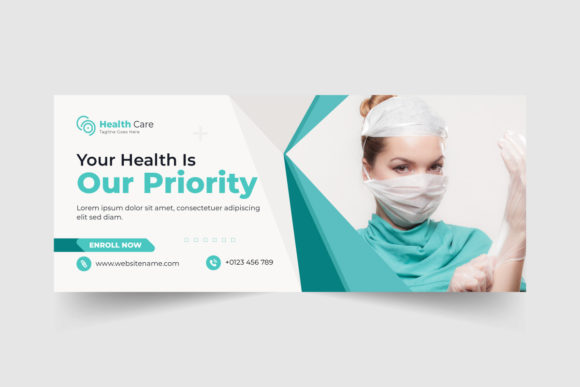
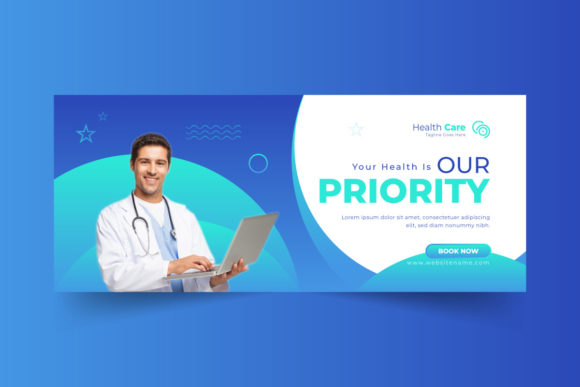
A Healthcare and Medical Web Banner Design is a digital graphic specifically created for use on websites, social media, and other online platforms. It typically includes key messages, branding elements, and relevant visuals that align with the healthcare organization’s goals. These banners are designed to be visually appealing while maintaining clarity and professionalism, making them ideal for conveying critical health-related information or promoting services.
Unlike generic web banners, medical web banners are tailored to the unique needs of the healthcare sector. They often incorporate specific icons, color schemes, and terminology that resonate with both medical professionals and patients. This targeted approach ensures that the message is not only seen but also understood and acted upon.
The Role of Healthcare and Medical Web Banner Design in the Broader Industry
The rise of Healthcare and Medical Web Banner Design reflects broader trends in digital marketing and healthcare communication. As more people turn to the internet for health information, the need for clear, concise, and visually engaging content has never been greater. Web banners have become a staple in this ecosystem, serving as a first point of contact between users and healthcare providers.
Moreover, the integration of flat design and customizable templates has made it easier for organizations to create professional-looking banners without requiring extensive design expertise. This shift aligns with the growing demand for user-friendly tools that empower non-designers to participate in the creative process.
Key Features of Effective Healthcare and Medical Web Banner Designs
When creating a Healthcare and Medical Web Banner Design, several features are essential to ensure its effectiveness and adaptability:
- 300 DPI Resolution: Ensures high-quality images that remain sharp on all screen sizes.
- RGB Color Format: Provides vibrant and accurate color representation for digital displays.
- Easy to Edit: Allows for quick updates and modifications without compromising quality.
- Free Fonts Used: Reduces costs and simplifies the design process.
- 100 Customizable Options: Offers flexibility to match different branding needs and campaigns.
- Flat Design: Promotes simplicity, clarity, and modern aesthetics.
- File Included (EPS, JPEG): Provides versatility for use across multiple platforms and applications.
These features collectively contribute to a banner that is not only visually compelling but also practical and adaptable to changing needs.
Why People Are Paying Attention to Healthcare and Medical Web Banner Design
The increasing importance of Healthcare and Medical Web Banner Design can be attributed to several factors. First, the digital transformation of the healthcare sector has led to a surge in online interactions. Patients now expect seamless experiences, and web banners play a crucial role in delivering these interactions effectively.
Second, the demand for personalized and targeted communication has grown significantly. With the help of advanced analytics and user insights, healthcare organizations can tailor their messaging to specific audiences. Web banners enable this personalization by allowing for dynamic content that changes based on user behavior and preferences.
Third, the shift toward mobile-first design has made it imperative for banners to be optimized for smaller screens. The Healthcare and Medical Web Banner Design must be responsive, ensuring that the message is delivered consistently across devices.
Changing Needs and Expectations in the Healthcare Sector
As the healthcare industry evolves, so do the expectations of its stakeholders. Patients are no longer passive recipients of care; they are active participants in their health journeys. This shift has led to a greater emphasis on transparency, accessibility, and engagement—areas where Healthcare and Medical Web Banner Design can make a significant impact.
For instance, a hospital might use a web banner to promote a new telehealth service, highlighting its convenience and benefits. Similarly, a clinic could use a banner to raise awareness about preventive care, using clear visuals and simple language to engage a broad audience.
Additionally, the rise of remote work and virtual collaboration has influenced how healthcare professionals communicate with each other and with patients. Web banners can serve as a tool for internal communication, helping to disseminate important updates and guidelines quickly and efficiently.
Practical Examples and Observations
Consider a scenario where a pharmaceutical company launches a new drug. By using a Healthcare and Medical Web Banner Design, they can create a visually striking banner that highlights the drug’s benefits, key features, and available information. This banner can be deployed across their website, social media, and email campaigns, ensuring consistent messaging and maximum reach.
Another example involves a wellness center aiming to attract a younger demographic. By incorporating flat design and modern typography, they can create a banner that resonates with this audience, encouraging them to explore the center’s services and programs.
Observations from the field suggest that well-designed banners lead to higher engagement rates, improved brand recognition, and better conversion outcomes. This is especially true when the design aligns with the organization’s overall brand strategy and target audience.
Connecting to Larger Developments
The evolution of Healthcare and Medical Web Banner Design is closely tied to broader developments in technology and consumer behavior. For instance, the adoption of artificial intelligence and machine learning has enabled more sophisticated targeting and personalization. Banners can now be dynamically adjusted based on user data, leading to more relevant and impactful messaging.
Furthermore, the growing focus on user experience (UX) has influenced how banners are designed. The goal is not just to inform but to create an emotional connection with the audience. This requires a balance between aesthetics and functionality, ensuring that the banner is both attractive and informative.
As the healthcare industry continues to embrace digital innovation, the role of Healthcare and Medical Web Banner Design will only become more prominent. It is no longer just a design element—it is a strategic asset that can drive engagement, build trust, and support business objectives.