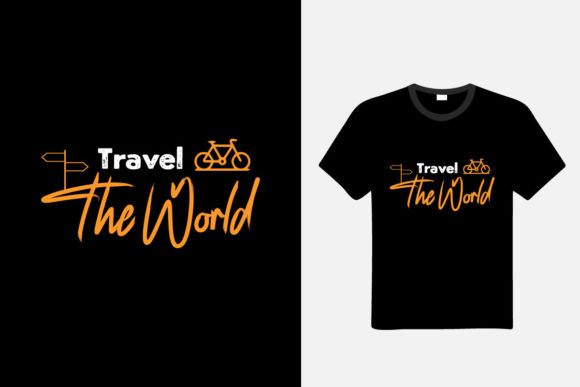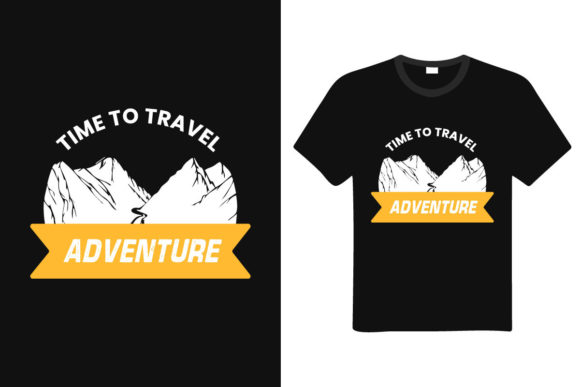
Unlocking the Spirit of Exploration with Adventure Typography T-shirt Design
The desire to explore the unknown, to stand atop a rugged peak, or to watch the sun dip below the ocean horizon is a universal human experience. For many, this longing for the outdoors is not just a hobby but a defining part of their identity. Adventure Typography T-shirt Design has emerged as a powerful medium to express this spirit, bridging the gap between personal passion and wearable art. Whether you are a small business owner looking to launch a new apparel line, a DIY enthusiast creating custom gear for a family reunion, or a designer seeking inspiration, understanding the nuances of this style is essential for creating products that resonate.
At its core, an adventure typography design combines evocative lettering with illustrative elements that symbolize the great outdoors. It is more than just placing text on a shirt; it is about crafting a narrative. These designs often feature bold, retro-inspired fonts paired with intricate drawings of mountains, pine trees, vintage campers, or crashing waves. The goal is to evoke a sense of nostalgia and freedom, reminding the wearer of past journeys or inspiring future ones. When executed correctly, a Mountain Adventure retro T-shirt design becomes a badge of honor, signaling a love for nature and a rejection of the mundane.
Addressing the Challenges of Modern Apparel Design
Creating a successful travel or outdoor-themed t-shirt comes with specific challenges. One of the primary hurdles designers and sellers face is saturation. The market is flooded with generic graphics that lack soul. Consumers today are savvy; they can spot a clip-art assembly from a mile away. They crave authenticity. They want a unique, drawn aesthetic that feels hand-crafted rather than digitally manufactured. This is where the specific approach of adventure typography shines. By focusing on custom calligraphy and detailed illustrations, creators can differentiate their products in a crowded marketplace.
Another significant challenge is technical execution. A design might look stunning on a computer screen but fail miserably when printed on fabric. Issues such as low resolution, poor color separation, or incompatible file formats can ruin a production run. This is why accessing print-ready travel Adventure cut files is critical. Professionals need assets that are ready to go—vectors that can be scaled infinitely without losing quality and high-resolution rasters that ensure crisp details. The frustration of receiving a blurry JPEG when you need a sharp vector for screen printing is a common pain point that halts creativity and delays business goals.
How Adventure Typography Solves Creative and Practical Needs
The solution lies in embracing a design philosophy that prioritizes both aesthetic appeal and technical readiness. Adventure Typography T-shirt Design addresses the need for authenticity by utilizing styles rooted in vintage Americana, scout emblems, and national park posters. These elements tap into a collective cultural memory of exploration. When a customer sees a shirt featuring a vintage stamp style logo with the words "Explore More" wrapped around a mountain range, they aren't just seeing a graphic; they are buying into a lifestyle.
From a practical standpoint, utilizing professionally prepared design files solves the technical bottlenecks of apparel production. When you acquire a comprehensive design package, you are investing in efficiency. Imagine receiving a complete suite of files including Ai, EPS, PDF, and SVG formats. This versatility means the same design can be used for a direct-to-garment (DTG) print, a screen printing separation, a vinyl cut for heat transfer, or even a sticker label for packaging. Having a High-Resolution Vector at 300 DPI ensures that whether the design is printed on a small chest pocket or a large back panel, the lines remain sharp and the colors vibrant.
Practical Applications and Outcomes
The applications for these designs are vast and varied. For retail brands, a well-crafted travel vintage T-shirt design can become a bestseller, appealing to hikers, surfers, and road-trippers alike. The imagery often transcends specific locations; a silhouette of a pine tree or a generic mountain range appeals to anyone who loves nature, regardless of whether they live in California, Colorado, or beyond. This universality expands the potential customer base significantly.
Beyond retail, these designs are perfect for event merchandise. Consider a summer camp, a scouting troop, or a corporate retreat focused on team building in the outdoor environment. Customizing an adventure typography template with specific dates or group names creates a lasting memento of the journey. The badge or emblem style inherent in these designs lends itself perfectly to this purpose, making the shirt feel like an official uniform of the expedition.
Furthermore, the rise of the "van life" and digital nomad movements has created a surge in demand for fashion that reflects a mobile, free-spirited lifestyle. Designs that incorporate elements like surf boards, ocean waves, and landscape vistas cater directly to this demographic. The outcome for the creator is a product that connects emotionally with the buyer, leading to higher engagement and brand loyalty.
Tailoring the Approach for Different Users
Different users will approach Adventure Typography T-shirt Design with varying goals, and the flexibility of the format supports them all.
- The Small Business Owner: For the entrepreneur running an online store, time is money. They need print-ready assets that require minimal tweaking. Their focus is on speed to market and maintaining consistent quality across different product lines, from t-shirts to tote bags.
- The Independent Designer: A freelance artist might use these base designs as a foundation for customization. They may alter the typography to match a client's specific brand voice or swap out a mountain icon for a local landmark. The availability of editable vector files allows for this creative freedom without starting from scratch.
- The Hobbyist: For the individual making shirts for a family vacation or a birthday party, the ease of use is paramount. Having files that can be easily extracted from a ZIP file using standard tools like WinZIP or WinRAR simplifies the process. They can take the design directly to a local print shop or use a home cutter, confident that the result will look professional.
Implementation and Technical Considerations
To get the most out of these designs, proper implementation is key. When you receive your design package, typically compressed in a single ZIP file, the first step is extraction. Using reliable software ensures that none of the crucial data is corrupted. Once extracted, organizing your files by format helps streamline your workflow. Use the SVG files for web previews or cutting machines, and rely on the AI or EPS files for professional printing adjustments.
Color management is another vital consideration. Vintage and retro styles often rely on specific palettes—muted earth tones, faded blues, and warm oranges. Ensure that your printing method can accurately reproduce these colors. Screen printing offers a tactile, textured look that complements the retro aesthetic, while DTG printing allows for complex gradients and photographic details within the illustration. Understanding the strengths of each method allows you to choose the right production path for your specific Adventure T-shirt design for print.
In conclusion, the power of Adventure Typography T-shirt Design lies in its ability to tell a story while meeting rigorous technical standards. It solves the problem of generic apparel by offering unique, hand-drawn aesthetics that celebrate nature, travel, and the human spirit. By leveraging high-quality, versatile file formats, creators can overcome production hurdles and deliver products that inspire others to get outside and explore. Whether it is a reminder of a wild summer or a prompt for the next great adventure, these designs turn simple cotton tees into meaningful symbols of the journey.