Streamlining Healthcare Marketing with a Professional Medical Social Media Post Template Design
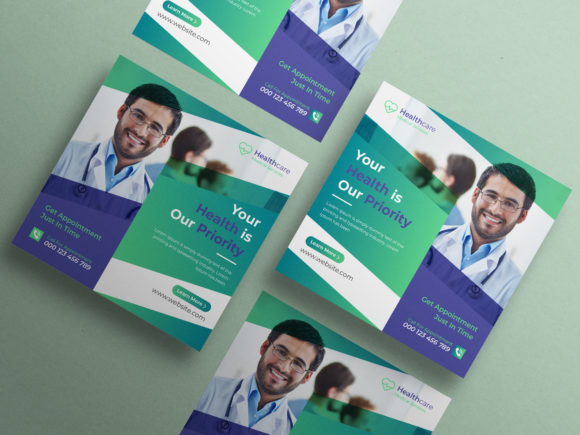
In the fast-paced world of digital marketing, consistency is the currency of trust. For medical practices, clinics, and healthcare professionals, establishing a reliable online presence is no longer optional; it is a critical component of patient acquisition and retention. However, the challenge often lies not in the lack of information to share, but in the time required to present that information visually. This is where a dedicated Medical Social Media Post Template Design becomes an indispensable asset in your operational workflow. By integrating a pre-structured, editable design system into your content strategy, you shift the focus from wrestling with layout software to crafting meaningful health narratives.
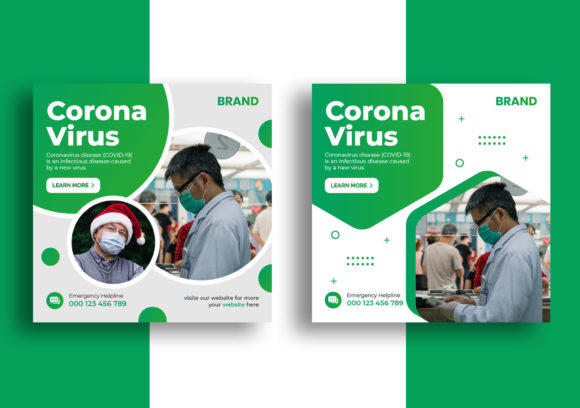
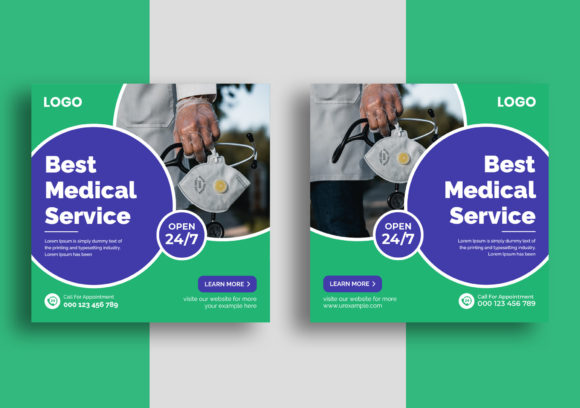
A high-quality template serves as the backbone of a scalable social media strategy. It is not merely a static image but a flexible framework designed to accommodate various types of content—from seasonal health tips and staff introductions to urgent clinic updates and educational infographics. When you utilize a professional template built on industry standards like Adobe Illustrator (AI), you are investing in a tool that ensures brand coherence across every post, regardless of who is managing the account.
The Strategic Role of Templates in Healthcare Workflows
Integrating a Medical Social Media Post Template Design into your business process requires understanding where it fits within the broader content lifecycle. Ideally, this tool is implemented during the planning phase, before a single graphic is rendered. By establishing a library of templates early, you create a "plug-and-play" environment for your marketing team or external agencies.
Consider the typical workflow of a busy clinic administrator or a freelance marketer handling multiple healthcare clients. Without a template, every post requires starting from scratch: selecting fonts, aligning text boxes, choosing color hex codes, and ensuring compliance with accessibility standards. This ad-hoc approach leads to visual fragmentation and wasted hours. Conversely, when a standardized template is in place, the process transforms. The designer or content creator opens the file, swaps the placeholder text with the week's health tip, replaces the stock image with a relevant photo, and exports the final 1080x1080 pixel asset. This reduction in friction allows for higher output volume without sacrificing quality.
Furthermore, these templates act as a guardrail for brand identity. In the medical field, trust is paramount. A disjointed visual feed can subconsciously signal disorganization to potential patients. A consistent template ensures that your logo placement, typography, and color palette remain uniform, reinforcing professional credibility with every scroll.
Technical Specifications and Customization Capabilities
The utility of any design asset depends heavily on its technical foundation. A robust Medical Social Media Post Template Design is typically delivered as an Adobe Illustrator (AI) file. This vector-based format is crucial for scalability and editability. Unlike raster images that pixelate when resized, vector elements ensure crisp lines and sharp text, whether viewed on a smartphone screen or a large desktop monitor.
Key features to look for and leverage include:
- RGB Color Mode: Ensures vibrant, accurate colors specifically optimized for digital screens and social media platforms.
- Fully Editable Text Layers: Allows you to use the text tool to modify headlines, body copy, and calls to action instantly without breaking the layout.
- Smart Object Placeholders: Facilitates quick image swapping. You can drag and drop your own photography or licensed stock images directly into the designated frames.
- Free Font Compatibility: High-quality templates often utilize freely available fonts, eliminating licensing costs and ensuring that any team member can open and edit the file without missing typeface errors.
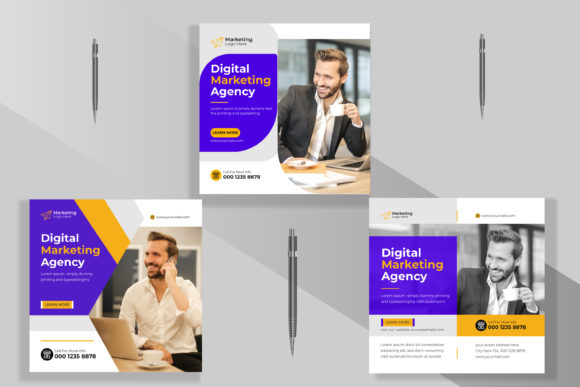
It is important to note that while the preview images showcased in marketplaces are compelling, they usually serve as inspiration rather than included assets. The main download file typically contains the structure and design elements, but not the specific photographs used in the demonstration. This separation allows you to inject your unique brand personality by using your own clinic photos, team headshots, or curated stock imagery that aligns with your specific demographic.
Implementation Strategies for Maximum Efficiency
To truly benefit from a Medical Social Media Post Template Design, one must adopt a systematic approach to its usage. The goal is to move from reactive posting to proactive content batching. Here is how you can integrate this tool effectively into your weekly routine:
- Preparation and Asset Gathering: Before opening the AI file, gather all necessary components. This includes your latest blog posts, upcoming event details, or seasonal health reminders. Have your high-resolution images ready in a dedicated folder.
- Batch Editing Sessions: Instead of creating posts daily, set aside a specific block of time once a week or once a month. Open your template file and duplicate the artboard for each post you intend to create. Update the text and images for the entire month in one sitting. This "assembly line" method drastically reduces context switching and increases productivity.
- Quality Control Checks: Even with a template, human error can occur. Before exporting, review each variation for text overflow, alignment issues, or contrast problems. Ensure that the text remains legible against the background images, a critical factor for accessibility in healthcare communications.
- Export and Scheduling: Once satisfied, export your designs as PNG or JPG files at the standard 1080x1080 resolution. Upload these to your social media scheduling tool, allowing you to maintain a consistent posting cadence even during busy clinical weeks.
Compatibility and Long-Term Usability
The longevity of your investment in a template design depends on its adaptability. A well-constructed Medical Social Media Post Template Design is not a one-time solution but a long-term resource. As your practice grows or rebrands, the modular nature of these files allows for easy updates. You can change the primary color scheme to match a new logo or adjust the font hierarchy to reflect a shift in messaging tone.
Moreover, these templates foster collaboration. If you work with a virtual assistant, a junior designer, or an external marketing agency, providing them with a standardized template ensures that the output remains consistent with your brand guidelines, regardless of who executes the task. It eliminates the need for extensive briefings on "how we do things here," as the file itself dictates the structure.
However, users must be mindful of the software requirements. Since these files are native to Adobe Illustrator, having access to this software—or a compatible vector editor—is essential. For those without direct access to Adobe Creative Cloud, many designers offer support or can convert files upon request, though maintaining the original AI format provides the highest degree of flexibility for future edits.
Elevating Engagement Through Visual Consistency
In the crowded landscape of social media, capturing attention is only half the battle; retaining it requires value and clarity. A professional template helps strip away visual clutter, allowing your medical advice and community news to take center stage. When patients see a familiar layout, they immediately recognize the source, which builds a sense of reliability and familiarity.
Additionally, the ease of customization encourages experimentation. Because the heavy lifting of design is already done, you feel more empowered to test different headlines, vary your call-to-action buttons, or try new image styles without the fear of ruining a complex design. This agility is vital for optimizing engagement rates and understanding what resonates with your audience.
Ultimately, the power of a Medical Social Media Post Template Design lies in its ability to democratize high-quality design. It levels the playing field, allowing small private practices and individual practitioners to compete visually with large hospital networks. By streamlining the creation process, you free up mental energy to focus on what truly matters: connecting with your community and providing excellent care.
If you encounter difficulties while customizing your file, remember that most creators offer support. Do not hesitate to reach out for clarification on layers or font installation. Furthermore, taking a moment to rate the item after successful use contributes to the ecosystem, helping other professionals find reliable resources. Embrace the efficiency of structured design, and watch your social media presence transform from a chore into a strategic asset.