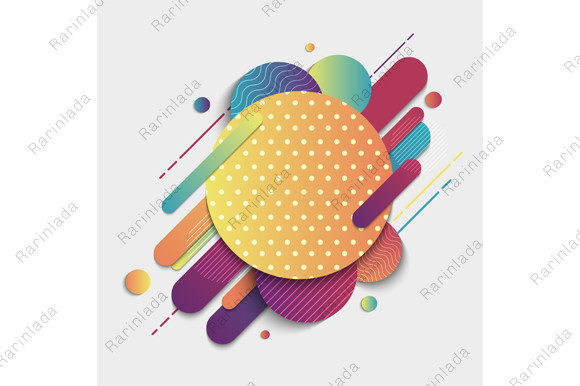
Dynamic Abstract Colorful Geometric Line Patterns
In the world of modern visual communication, the Abstract Colorful Geometric Line Pattern has emerged as a versatile tool for designers and content creators. Unlike rigid grids or predictable textures, these compositions rely on the fluid interplay of rounded line shapes and diagonal transitions to create movement without chaos. When placed on a clean white background, the colors pop with vibrancy, offering a sense of energy that is both professional and playful. This specific style of vector illustration bridges the gap between corporate polish and artistic expression, making it an ideal foundation for a wide array of projects ranging from corporate brochures to creative flyers.
The core appeal of this pattern lies in its structural balance. The use of rounded lines softens the often harsh nature of geometric design, inviting the viewer's eye to travel smoothly across the composition. Meanwhile, the diagonal transition introduces a dynamic flow, suggesting progress and forward momentum. For marketers and entrepreneurs, this subtle psychological cue can be powerful when used in branding materials. It communicates innovation and adaptability without saying a word. Because these graphics are 100% vector, they offer unlimited scalability, ensuring that whether you are printing a massive trade show banner or a small business card, the lines remain crisp and the colors stay true.
Unlocking Creative Possibilities in Print and Digital Media
One of the most practical advantages of utilizing an Abstract colorful geometric pattern composition is its adaptability across different media formats. For graphic designers working on cover designs for reports, magazines, or digital ebooks, this pattern serves as a sophisticated backdrop that does not overpower the title text. The white background provides ample negative space, allowing typography to breathe while the colorful lines frame the content effectively.
Consider the application in brochure and flyer design. Small business owners often struggle to find visuals that look custom-made without the custom price tag. A high-resolution file at 300 DPI ensures that printed materials look sharp and professional. You can layer semi-transparent shapes over the pattern or use the lines to guide the reader's eye toward key information, such as contact details or special offers. The diagonal flow naturally leads the viewer from the headline down to the call-to-action, improving the overall readability and conversion potential of the piece.
Beyond traditional print, these patterns are equally effective in digital environments. Bloggers and web designers can use cropped sections of the illustration as header images or section dividers. The vector nature of the file means you can extract specific elements—like a cluster of rounded lines—and animate them for a website intro or a social media story. This flexibility allows creators to maintain a consistent visual identity across platforms, reinforcing brand recognition every time a customer interacts with your content.
Tailoring the Design for Specific Audiences
Different industries require different tonal approaches, and the beauty of a fully editable vector file is the ability to tweak the palette and density to suit specific goals. Here is how various professionals can adapt this pattern:
- Educators and Publishers: By shifting the color palette to cooler tones like blues and greens, the pattern becomes calming and focused, perfect for textbook covers or educational worksheets. The rounded shapes feel friendly and approachable for students of all ages.
- Tech Startups: Entrepreneurs in the technology sector can utilize high-contrast combinations, such as neon accents against the white background, to convey cutting-edge innovation. The diagonal lines suggest speed and disruption, aligning well with tech branding.
- Lifestyle Brands: For fashion or wellness bloggers, pastel variations of the geometric lines create a soft, organic feel. The "rounded" aspect of the lines mimics natural forms, making the design feel less industrial and more human-centric.
- Event Planners: When designing invitations or programs, the colorful composition can be scaled up to act as a bold statement piece. The abstract nature allows guests to interpret the art freely, adding an element of intrigue to the event materials.
The key to successful adaptation is understanding your audience's expectations. A financial institution might prefer a restrained version with fewer colors to denote stability, while a children's product line would benefit from a maximalist approach with saturated hues. Since the file is readable by vector-based graphic programs such as Adobe Illustrator and Corel Draw, you have complete control over every stroke and fill.
Maintaining Clarity and Consistency in Your Projects
While the creative possibilities are endless, maintaining clarity is essential when working with complex patterns. A common mistake is overcrowding the design. Remember that the Abstract Colorful Geometric Line Pattern is meant to enhance your message, not compete with it. When using this illustration for a poster or template, ensure there is a clear hierarchy. Use the white background areas for your primary text and let the colorful lines occupy the periphery or serve as a textured footer.
Consistency is another pillar of effective design. If you use this pattern for a brochure, try to carry elements of it into your corresponding digital ads or email headers. You do not need to use the exact same crop every time; simply maintaining the same line weight, color palette, and rounded aesthetic will create a cohesive brand experience. This consistency builds trust with your audience, as they begin to associate that specific visual style with your quality and reliability.
Furthermore, because the file includes no watermarks and is provided in EPS Version 10 and JPG formats, you can integrate it seamlessly into your workflow without legal or technical hurdles. The EPS format is particularly valuable for long-term asset management. Unlike raster images that degrade when resized, vectors remain mathematically perfect. This future-proofs your design investments, allowing you to repurpose the same artwork for new campaigns years down the line without losing quality.
Practical Tips for Editing and Customization
To get the most out of this resource, consider these practical steps during your design process:
- Isolate Elements: Don't be afraid to ungroup the vector layers. You might find a single curved line or a specific cluster of shapes that works better for your layout than the full composition. Extracting these parts can create unique icons or dividers.
- Adjust Opacity: If the colors feel too dominant behind your text, lower the opacity of the vector group. This creates a subtle watermark effect that adds depth without sacrificing readability.
- Color Matching: Use the eyedropper tool in your software to match the pattern's colors to your existing brand guidelines. You can easily swap out the default hues for your corporate colors to ensure strict brand compliance.
- Layering: Experiment by placing solid color blocks behind the lines or overlaying grain textures to give the vector art a more tactile, printed feel. This adds a layer of sophistication to digital-only projects.
Ultimately, the value of this design asset comes from its ability to solve problems. It solves the problem of blank pages, the issue of low-resolution graphics, and the challenge of finding art that feels both modern and timeless. Whether you are a freelancer looking to speed up your workflow or a marketing director seeking a fresh look for the upcoming quarter, this Abstract colorful geometric pattern composition offers a solid foundation. It invites you to build upon it, modify it, and make it your own, ensuring that your final output is not just a template, but a tailored solution that resonates with your specific goals.
By leveraging the high resolution and editability of these files, you empower yourself to create work that stands out in a crowded marketplace. The intersection of art and utility is where great design lives, and with the right tools, you can navigate that space with confidence and creativity.